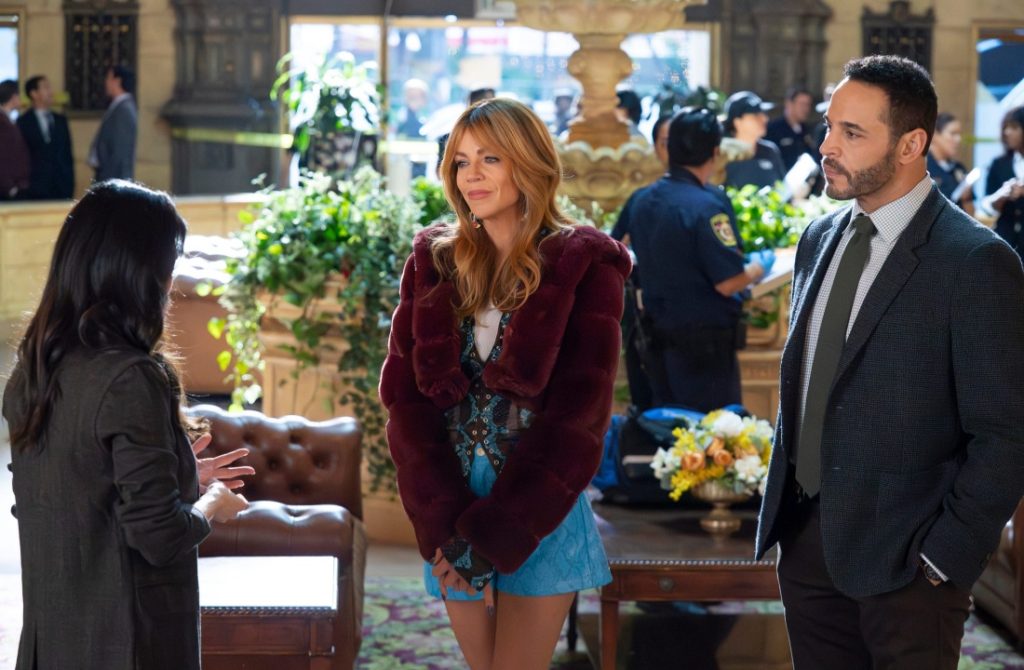
Post-show interviews have become a staple in the entertainment industry, offering fans an inside look at their favorite performers and the creative process behind a production. These interviews are not just a chance to hear about the show; they provide an opportunity for artists to share their experiences, thoughts, and emotions. The candid nature of these conversations often resonates deeply with audiences, making them a vital part of the overall viewing experience.
One of the most compelling aspects of post-show interviews is the authenticity they bring. After a performance, artists are often still buzzing with adrenaline, and this raw energy translates into their responses. Viewers get to witness genuine emotions, whether it’s excitement, relief, or gratitude. This authenticity helps to bridge the gap between the performer and the audience, allowing fans to feel a deeper connection to the work and the individuals behind it.
The format of these interviews can vary widely, from casual chats to more structured Q&A sessions. This flexibility allows for a range of interactions that can cater to different audiences. Some interviews focus on behind-the-scenes stories, giving fans insight into the rehearsal process or the challenges faced during production. Others may delve into the artist’s personal journey, exploring how their experiences shaped their performance. This variety keeps things fresh and engaging, ensuring that there’s something for everyone.
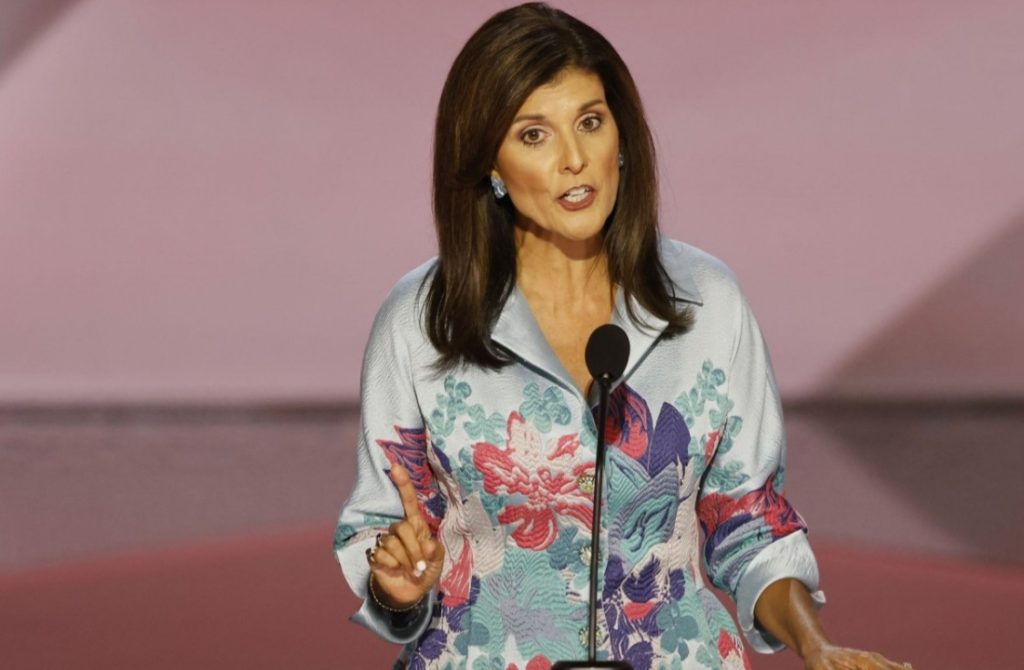
Another important element is the role of the interviewer. A skilled interviewer knows how to ask the right questions to elicit meaningful responses. They can create a comfortable atmosphere that encourages artists to open up. The chemistry between the interviewer and the interviewee can significantly enhance the quality of the conversation. When both parties are at ease, it often leads to more insightful discussions, revealing layers of meaning that might not come out in a more formal setting.
Timing also plays a crucial role in the effectiveness of post-show interviews. Conducting them immediately after a performance captures the excitement and energy of the moment. Artists are often still in character, reflecting on their performance while it’s fresh in their minds. This immediacy can lead to powerful insights that might be lost if the interview takes place days or weeks later. Fans appreciate this timeliness, as it allows them to relive the performance through the eyes of the artist.
Engagement with the audience is another key factor. Many post-show interviews incorporate questions from fans, either gathered beforehand or asked live. This interaction not only makes the audience feel included but also allows for a broader range of topics to be covered. Fans often have unique perspectives or specific interests that can lead to fascinating discussions. This two-way communication enriches the experience for everyone involved.
Social media has also transformed the landscape of post-show interviews. Platforms like Instagram and Twitter allow for real-time engagement, where fans can share their thoughts and reactions as the interviews unfold. This immediacy creates a sense of community, as viewers connect over shared experiences and insights. Artists can respond directly to fans, making the interaction feel even more personal and immediate.
Post-show interviews serve as a powerful tool for storytelling, connecting performers with their audience in meaningful ways. The authenticity, variety, and engagement they offer create a rich experience that enhances the overall enjoyment of a show. These conversations not only celebrate the artistry but also invite fans into a world that is often hidden from view, making the entire experience more rewarding and memorable.